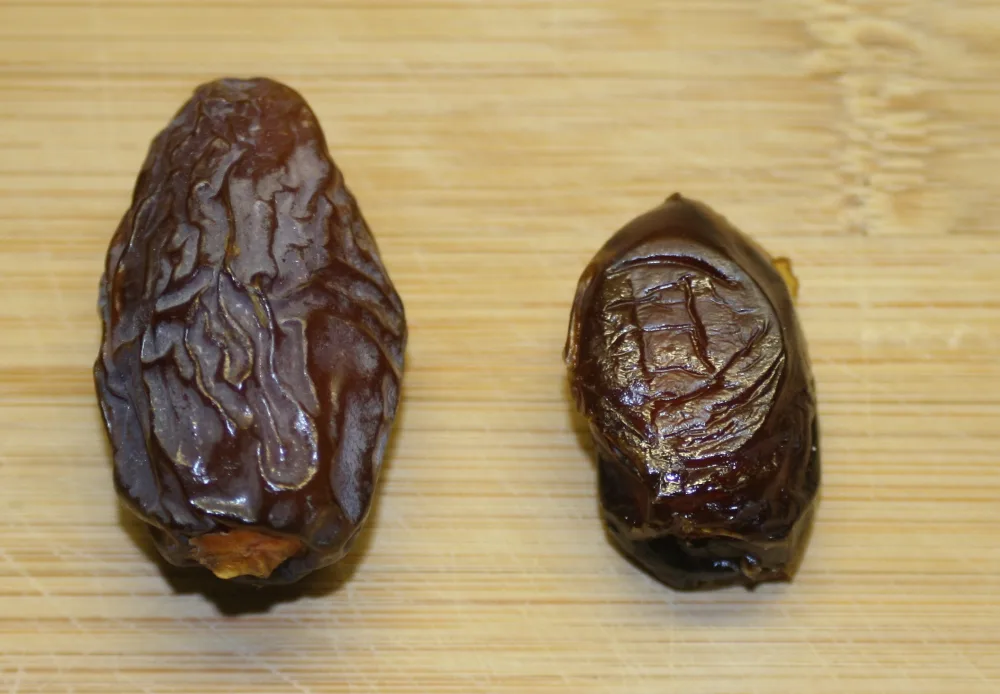
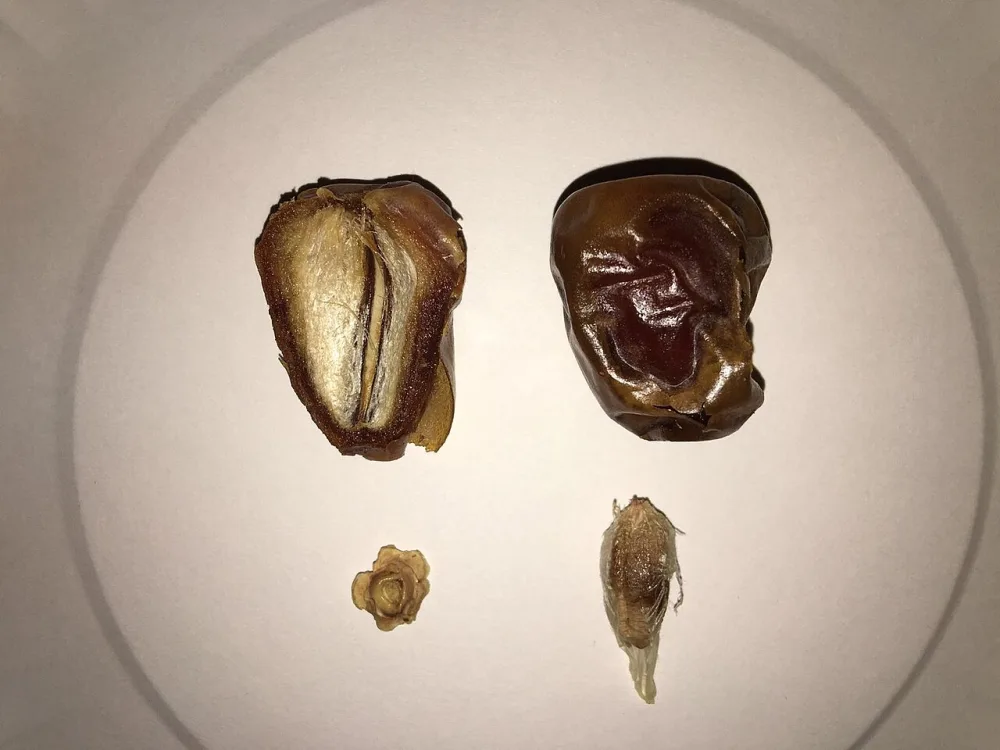
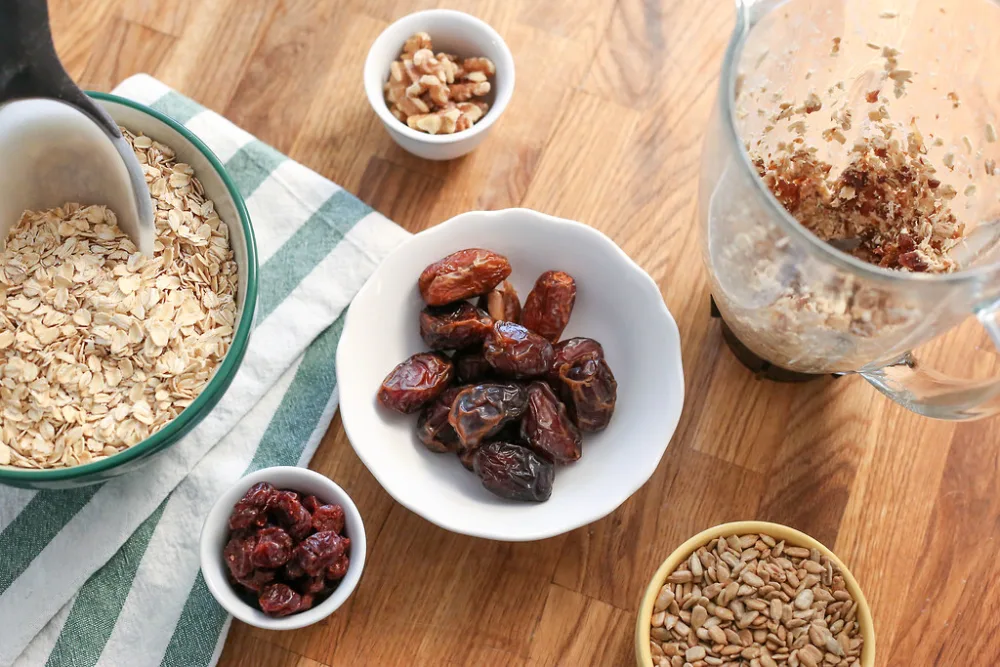
When your budget is tight but you still want to enjoy quality dates, the smartest move is to start with varieties that are naturally low-priced. Not all dates are expensive, and not everything cheap is poor quality. Indonesia imports dozens of date types across a very wide price range, from Rp20,000 to more than Rp300,000 per kilogram. This article focuses on the most affordable end of that spectrum: the seven cheapest date varieties that are easy to find, ranked from lowest, along with their character and uses.
Why Date Prices Vary So Widely
Date price differences are driven by many factors: production volume of the origin country, harvesting cost, fruit size, texture (soft dates tend to cost more because they need cold handling), variety reputation, and religious value as with Ajwa. Egypt, as the world's largest producer at 1.87 million tonnes (2023), naturally yields the cheapest dates because supply is abundant. Conversely, dates from limited groves such as Ajwa of Madinah cost far more. For the thrifty buyer, understanding this map means choosing tasty dates without paying a reputation "premium".
Price Table: 7 Cheapest Date Varieties 2026
Here is a concise table of estimated retail prices per kilogram in Indonesia in 2026. Prices vary by season, grade, and point of purchase (loose is usually cheaper than packaged):
| Rank | Variety | Origin | Price Range/kg | Texture |
|---|---|---|---|---|
| 1 | Egyptian (Golden Valley) | Egypt | Rp25,000-45,000 | Semi-dry |
| 2 | Iraqi (Zahidi/Sayer) | Iraq/Iran | Rp25,000-40,000 | Dry |
| 3 | Lulu | Arabia/UAE | Rp40,000-55,000 | Semi-dry |
| 4 | Zahedi | Iran | Rp40,000-55,000 | Dry, crunchy |
| 5 | Sayer (Stamaran) | Iran | Rp45,000-60,000 | Semi-soft |
| 6 | Khalas | UAE/Saudi Arabia | Rp50,000-60,000 | Soft |
| 7 | Tunisian (Deglet Noor) | Tunisia | Rp79,000-100,000 | Semi-dry |
Note: Tunisian dates make the list as "value premium" because, although pricier than the other six, they remain well below Sukari, Medjool, or Ajwa, so they are often seen as a thrifty choice for an elegant look.
Quick Profile of Each Budget Variety
1. Egyptian — The Cheapest Champion
Egyptian dates, often marketed as Golden Valley, are the most economical choice in Indonesia. They are yellowish-brown, semi-dry, with a straightforward sweet taste. Because Egyptian supply is enormous, prices stay reliably low. They suit mass iftar at mosques, daily family stock, and baking. This is the "cheapest" workhorse we recommend as a starting point for thrifty shopping.
2. Iraqi (Zahidi/Sayer)
Iraqi dates are dry, yellowish-brown, and slightly moist in some variants. Their price competes closely with Egyptian. Being dry and durable, this type is ideal for long-term storage and keeps without refrigeration, making it a favourite of traders and event committees.
3. Lulu
Lulu dates resemble the Prophet's date at a glance because they are deep black, but smaller with a smoother surface and no prominent fibres. At around Rp40,000 per kg, they are far cheaper than Ajwa. Lulu is a popular pick for those who like an elegant dark date on a limited budget.
4. Zahedi
Zahedi is a crunchy dry date from Iran with a lighter, more rustic sweetness. Its low moisture makes it very durable. It suits dry snacking, toppings, or processing into date paste because it is economical and easy to store.
5. Sayer (Stamaran)
Sayer or Stamaran is a semi-soft Iranian date, dark brown with a gentle caramel flavour. It is often sold as paste or whole. Still affordable, its softer texture makes it pleasant to eat straight at iftar.
6. Khalas
Khalas from the UAE and Saudi Arabia is known for a caramel-butter taste and soft texture. At Rp50,000-60,000 per kg, Khalas is a budget-friendly "step up", ideal for those wanting a more premium taste without jumping to Sukari or Medjool prices.
7. Tunisian (Deglet Noor)
Nicknamed the "date of light", Tunisian Deglet Noor is semi-dry, translucent gold, and often sold on the branch so it looks attractive for guests. Although the priciest here, it remains value premium compared with other luxury dates, ideal for thrifty hampers.
Which Is Right for Your Needs?
The best choice depends on your goal: for mass iftar and high volume, Egyptian and Iraqi win outright on price. For snacking and durable storage without a fridge, choose dry Zahedi or Iraqi. For a softer, more premium taste that is still thrifty, Khalas or Sayer are worth trying. For an elegant look when hosting guests or making hampers, Tunisian gives a luxurious impression at a still-reasonable price. Lulu suits dark-date lovers wanting a much cheaper Ajwa alternative.
For the most economical tasting experience, consider our Mixed Kilo Pack of five varieties, which combines several affordable types in one purchase, or order Egyptian dates by the carton for monthly family stock. Buying directly from an importer in East Jakarta cuts the chain of middlemen so the per-kilogram price is lower.
Tips to Push Date Prices Even Lower
Choosing a cheap variety is the first step. But the price can be pushed further with a few simple shopping tactics:
- Buy by the carton, not retail. Buying Egyptian dates by the 5-10 kg carton lowers the per-kilogram price versus small cups. The gap adds up across a month of needs.
- Buy directly from the importer. Every middleman adds margin. Buying from an importer in East Jakarta cuts the distribution chain so prices sit closer to warehouse level.
- Use the off-season window. Date demand surges about 50% during Ramadan, pushing prices up. Buying a few weeks after Eid often gives lower prices when stock is plentiful.
- Pool with neighbours or community. Buying together in large volume gets everyone a wholesale price, then split by each person's need.
These four tactics can be combined. For example, buying Egyptian dates by the carton directly from an importer outside Ramadan as a group purchase can yield a price well below ordinary retail.
Common Mistakes When Hunting for Cheap Dates
Hunting for low prices is fun, but there are traps to avoid so you do not lose out:
Tempted by premium prices that are too low. If someone offers Medjool or Ajwa at the price of Egyptian dates, that is a danger sign. Premium dates slashed beyond reason should be suspected as a blend, imitation, or problem stock. Healthy cheapness applies only to genuinely economical varieties.
Ignoring quality for the absolute lowest price. A gap of a few thousand rupiah is not worth it if some dates turn out damaged and wasted. Calculate the effective per-kilogram price of what is genuinely edible, not just the cheapest figure on the shelf.
Not tasting before bulk buying. Each variety has a different flavour profile. Sayer and Khalas, for instance, are far softer than crunchy Zahedi. Buying 5 kg of a type that does not suit the family's taste is wasteful. Always try a small portion first.
Closing Note
All prices above are estimates and may change with season, exchange rates, and global supply dynamics. This information is educational to support shopping planning and is not medical advice. By knowing these seven cheapest varieties, you now have a clear map for buying quality dates without draining your wallet.